STEP 01
Describe the core loop
State what the player does repeatedly, what creates pressure, and what counts as success.
Turn a written game prompt into code and a playable browser game. Start with one clear gameplay loop, test the result, and refine the controls, challenge, visuals, or rules.
Begin with a small, testable game loop. Add complexity after the first version works.

Genre, controls, obstacles, checkpoints, and a clear finish condition.
Reference prompt · results may varyPrompt to game is a workflow that turns a natural-language description of gameplay into an initial playable game. A useful prompt names the genre, player goal, controls, obstacles, scoring, and visual direction. The first result is a working draft that you can play and improve through focused follow-up instructions.
Keep the first request focused enough to generate, understand, and test.
State what the player does repeatedly, what creates pressure, and what counts as success.
EaseGame turns the prompt into code and a browser game so you can test the controls and objective.
Change one variable at a time, such as speed, enemy count, scoring, level layout, or visual style.
You do not need a long design document. Give the generator a compact definition of the playable loop.
Racing, shooter, platformer, puzzle, runner, sports, or strategy.
Reach a finish, survive waves, capture zones, collect items, or solve a route.
Move, jump, steer, aim, interact, switch lanes, or choose an action.
Enemies, hazards, time limits, limited lives, traps, or rival players.
Define the score target, finish line, final wave, solved puzzle, or captured area.
Name a readable setting, color contrast, camera view, and overall mood.
Use these as editable starting points. Simplify or expand each prompt to match the game you want to test.
Create a neon racing game where the player changes lanes to avoid traffic, collects boost energy, passes three checkpoints, and reaches the finish before time runs out.
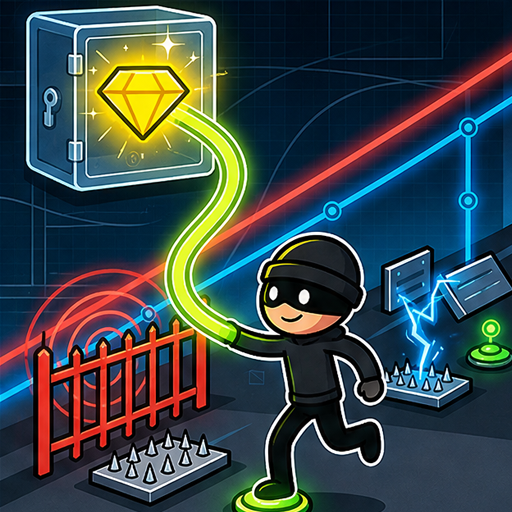
Create a top-down puzzle heist where the player disables terminals, avoids moving laser beams, collects three artifacts, and escapes through a locked exit.
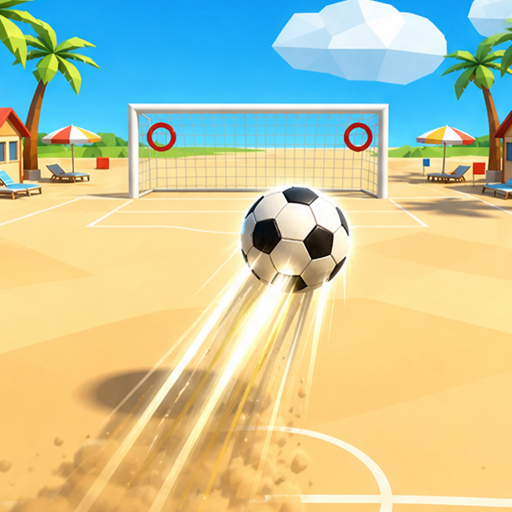
Create an arcade soccer challenge where the player curves shots around barriers, beats an AI goalkeeper, and scores five goals before the timer ends.
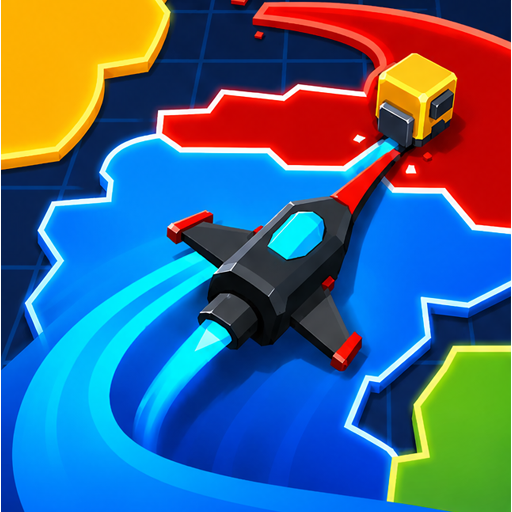
Create a multiplayer arena where players move through an origami map, claim tiles, steal exposed territory, and win by controlling the largest area.

Create a vertical platformer where the player jumps across moving islands, avoids falling hazards, collects coins, and reaches a beacon at the top.
Create a turn-based strategy game where the player protects a central core, moves units on a grid, and defeats an AI opponent through positioning.
These prompts are research-informed reference ideas, not guaranteed or pre-validated outputs. Generation quality can vary; test the first result and refine one request at a time.
After the first version runs, ask for one observable change and test it before adding the next.
Practical answers for writing, testing, and improving AI game prompts.
Move between prompt writing, game generation, and multiplayer planning without losing the core gameplay loop.
Start with one goal, one challenge, and one clear win condition.