STEP 01
Define the players
Choose the player count, roles, competitive or cooperative mode, and what everyone can see or control.
Describe the players, shared objective, controls, round rules, scoring, and win condition. EaseGame turns your multiplayer idea into code and a playable browser game you can test and refine.
Start with a short match, simple controls, and one shared win condition.
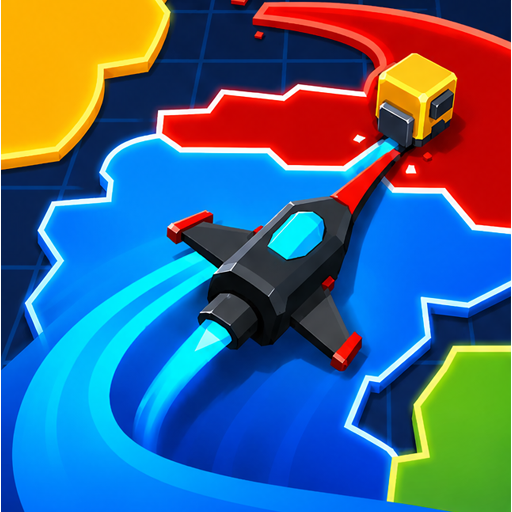
Four players, tile capture, territory stealing, a timed round, and one winner.
Reference prompt · results may varyAn AI multiplayer game maker turns a written description of a shared game into an initial playable experience. The prompt defines who plays, whether they compete or cooperate, what each player can do, how a round progresses, how points are earned, and how the match ends.
A focused first version makes it easier to test whether the shared interaction is understandable and fun.
Choose the player count, roles, competitive or cooperative mode, and what everyone can see or control.
Explain the repeated action, conflict, scoring, round length, and the event that ends the match.
Test whether the rules are clear, then adjust balance, pacing, controls, or scoring one change at a time.
Describe the social interaction as precisely as the visual theme.
State how many people participate and whether roles are identical or different.
Competitive, cooperative, team-based, party, or a mix of cooperation and betrayal.
Move, jump, aim, claim, collect, repair, block, trade, or interact.
Define what repeats, how pressure rises, and how long or how many rounds players face.
Explain how points, territory, survival, tasks, or team progress are measured.
Name the score target, final survivor, completed mission, captured zone, or team victory.
Paper Clash 3D is a live EaseGame template built around a multiplayer arena and territory capture. Use it as a concrete starting point, then describe changes to the arena, player movement, zone rules, visual style, match duration, or win condition.
Each example defines the players, interaction, round loop, scoring, and a clear end condition.
Create a four-player territory arena where each player claims tiles by moving, can steal exposed zones, and wins by controlling the largest area when the two-minute round ends.

Create a two-player racing duel where both players dodge traffic, collect one-use boosts, pass three checkpoints, and compete to cross the finish line first.
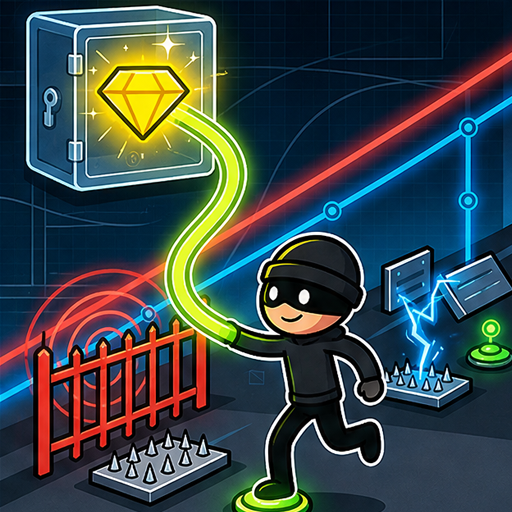
Create a two-player cooperative heist where one player disables security terminals while the other collects artifacts, and both must reach the exit before the alarm fills.
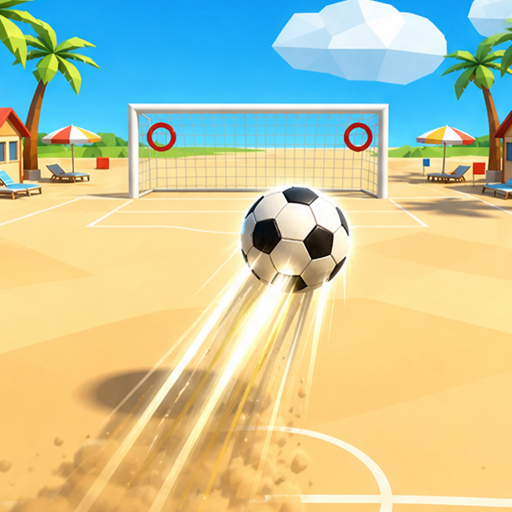
Create a two-player arcade soccer game where players take alternating curve shots, can place one obstacle each round, and win by reaching five goals first.

Create a two-player cooperative platformer where players activate switches for each other, collect shared stars, and both must reach the top beacon to win.
Create a two-team strategy game where players capture energy nodes, spend energy on defenders, and win by disabling the opposing team’s central core.
Except for the identified Paper Clash 3D template, these are research-informed prompt directions rather than pre-validated EaseGame examples. Multiplayer results can vary; test player roles and the win condition before adding more systems.
A multiplayer game needs more than several characters on screen. Check whether every player understands the shared loop.
Answers about prompts, templates, shared rules, and first multiplayer projects.
Use the related EaseGame pages to improve the prompt and move back into creation.
Define the players, one round loop, and one clear win condition.