
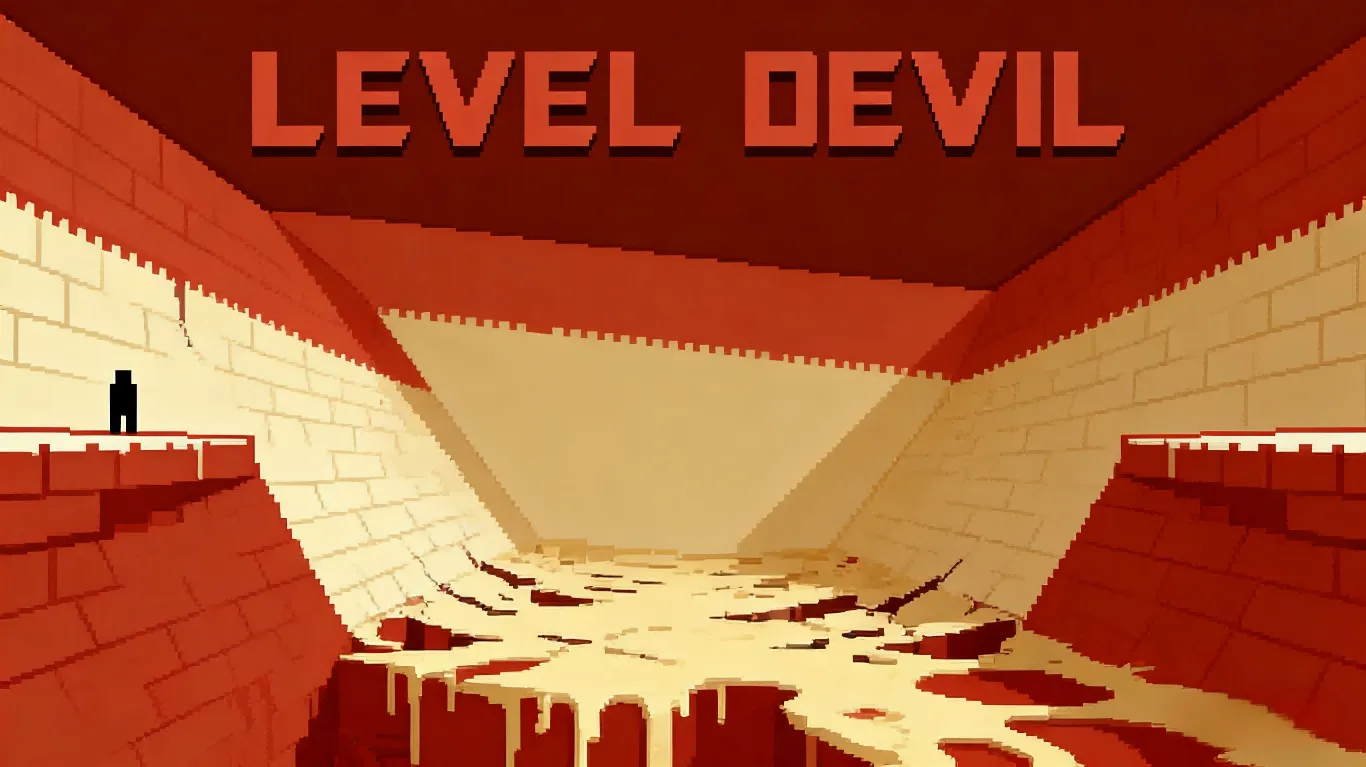
Level Devil: A Game That Systematically Destroys Player Trust
In most games, there is an unspoken “trust relationship” between the player and the game world. The ground is safe to stand on, the controls are reliable, and what you see is what you get. These stable rules allow players to gradually learn the environment, build experience, and eventually overcome challenges.
But in Level Devil, none of that applies.
Instead of simply increasing difficulty, the game does something far more ruthless—it slowly dismantles the player’s trust in the entire game world.
The Collapse of Safety: When the Ground Is No Longer Reliable
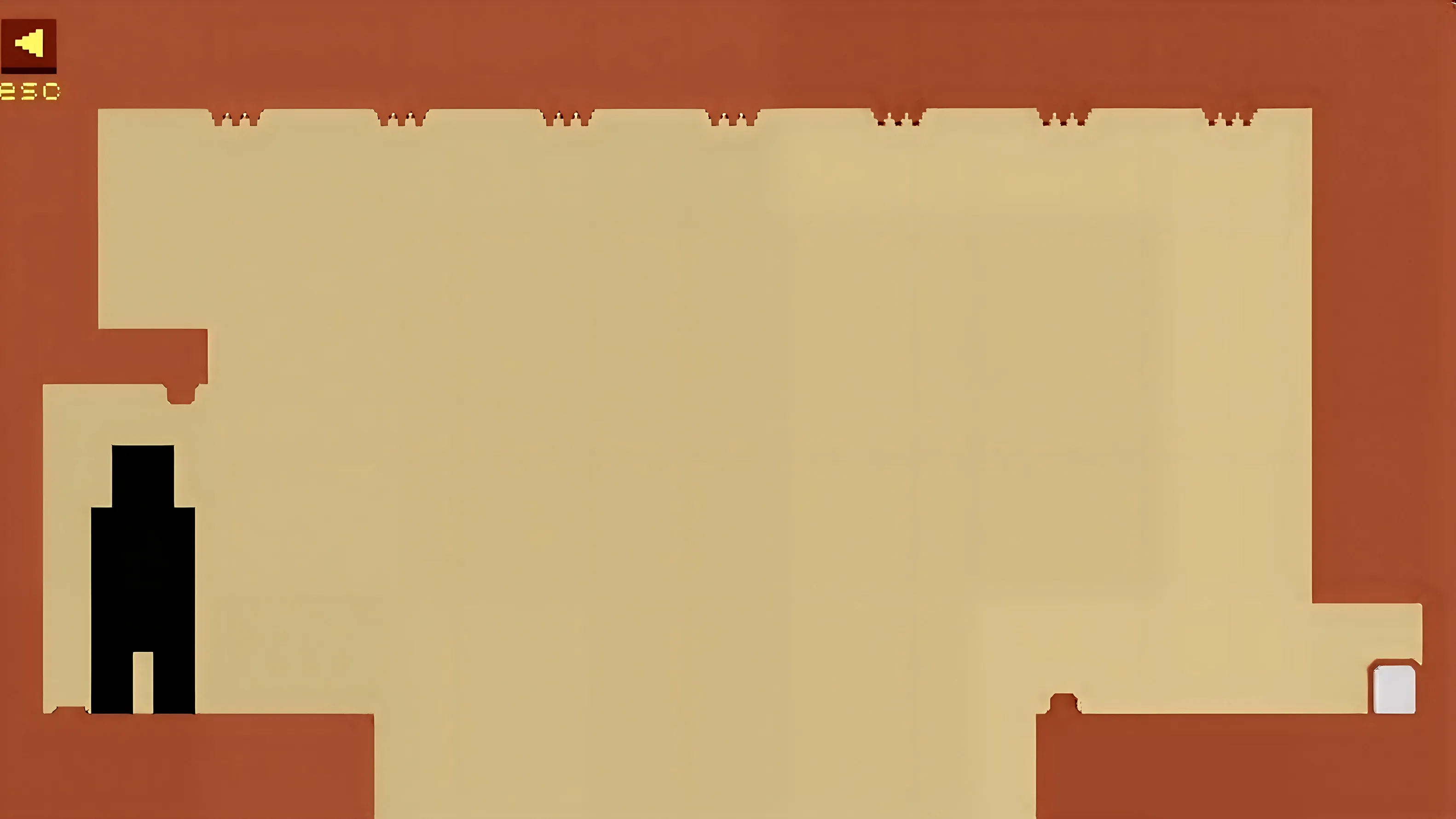
At the start, you move forward just like in any typical platformer. The path ahead looks completely normal—no visible threats, no complex structures.
So you take a step—
And suddenly, the floor disappears beneath you, sending you straight into a pit.
That’s when it hits you: even the ground cannot be trusted.
This design breaks one of the most fundamental assumptions in gaming. In most games, “the ground is safe” is a given. Level Devil, however, chooses to challenge that assumption from the very beginning.
Betrayed by Controls: When Your Inputs Can’t Be Trusted
As you begin to move more cautiously, the game introduces another twist.
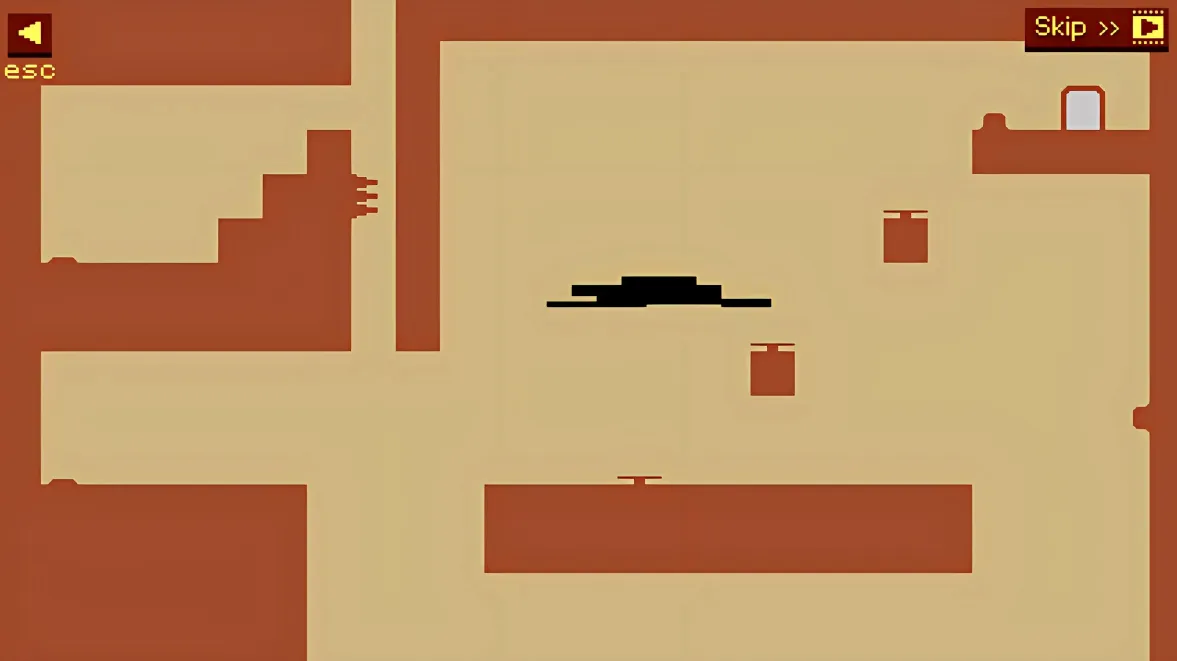
You press left, but your character moves right.
You try to retreat, only to run straight into danger.
At this moment, it’s not just your spatial awareness that’s broken—it’s your trust in the controls themselves.
Players rely on inputs to produce predictable outcomes. That’s the foundation of all gameplay interaction. But when that relationship is disrupted, it creates a deeply uncomfortable experience:
- You hesitate before every move
- You second-guess your decisions
- Even simple actions feel risky
This doesn’t just make the game harder—it creates a powerful sense of loss of control.
Visual Deception: What You See Isn’t Always Real
If unreliable ground and controls create unease, visual deception completely shatters the last layer of trust.
Some traps in the game are nearly impossible to detect.
They may be invisible, or only appear the moment you approach them.
You see a safe path—but the instant you jump, a hidden obstacle appears and causes your failure. At this point, players start questioning everything:
- Is this path actually safe?
- Are there traps I simply can’t see?
- Was that my mistake, or the game tricking me?
When visual information itself becomes unreliable, players lose their ability to judge the environment, entering a state of total uncertainty.
Broken Rules: When Even Your Character Can’t Be Trusted
In some moments, even your character becomes unpredictable:
- Suddenly growing larger or smaller
- Changes in jump ability
- Disruptions to movement timing
These shifts further erode your trust in your own capabilities. You no longer know how far you can jump or whether an action will succeed.
At this point, the game has completed a full breakdown of trust:
- The environment is unreliable
- The controls are unreliable
- Visual cues are unreliable
- Even your character is unreliable
When Nothing Can Be Trusted, What Are You Really Fighting?
Under these conditions, you’re no longer just avoiding traps—you’re facing a fundamentally unpredictable world.
You’re not solving puzzles. You’re not mastering mechanics.
Instead, you’re constantly asking one question:
“What’s going to happen next?”
This uncertainty creates intense tension, but also a unique kind of appeal:
- Every failure comes with surprise
- Every attempt is filled with unknowns
- Every success feels unusually rewarding
Players shift from trying to control the game to learning how to adapt to chaos.
Conclusion
What makes Level Devil stand out isn’t the number of traps it contains, but the design philosophy behind it:
it doesn’t just increase difficulty—it destroys trust.
It forces players to realize that in this world, no rule is absolute. You can’t rely on experience—you can only accept uncertainty and keep moving forward.
Perhaps that’s why the game is both frustrating and impossible to put down.
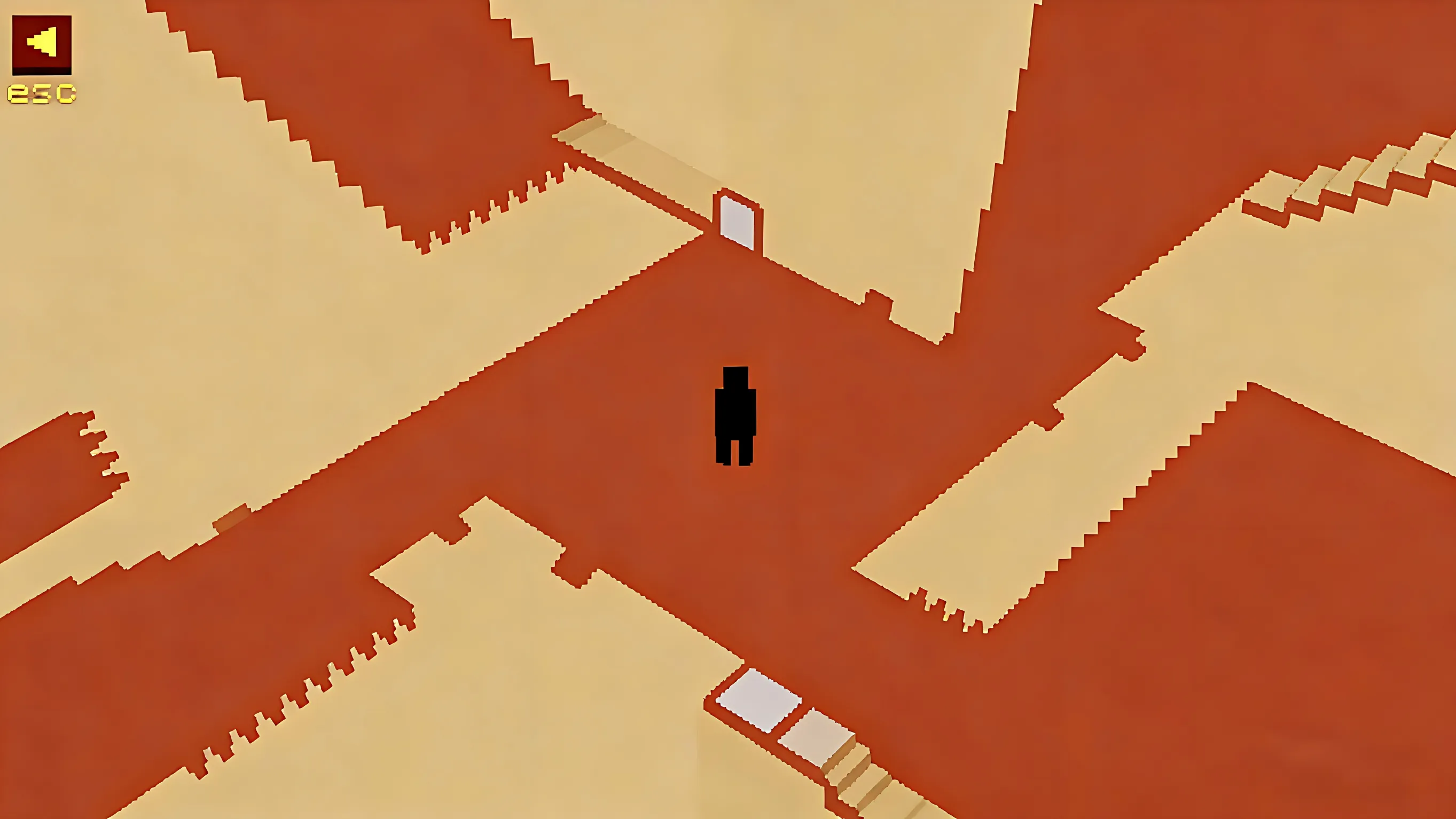
Because the next time you stand at the starting point, staring at that seemingly reachable door, your real question is no longer “how do I get there?”—
but:
“How is it going to trick me this time?”
2026年4月10日