Briscoe Wins Chicagoland — JGR Sweeps Podium
Chase Briscoe led a dominant Joe Gibbs Racing 1-2-3 at Chicagoland Speedway. NASCAR cleared an SVG–Austin Hill contact incident — and the debate immediately went social.
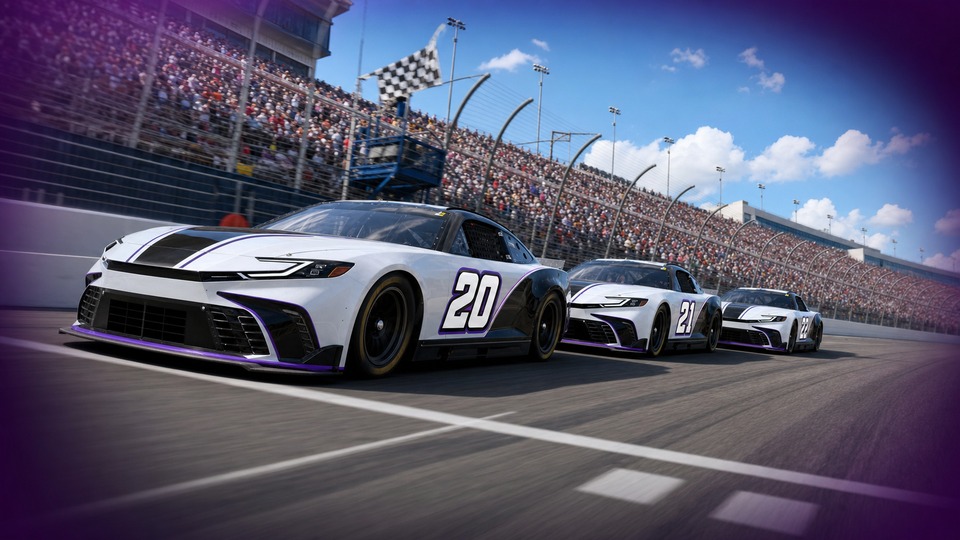
Race Report: Briscoe and JGR Own Chicagoland
On a sweltering July afternoon at Chicagoland Speedway, Chase Briscoe delivered the kind of performance that defines a team at its peak. The #20 Joe Gibbs Racing Toyota was consistently fast in all three stages, with Briscoe building just enough of a gap at the front to hold off his own teammates across the stripe.
The result: a Joe Gibbs Racing 1-2-3 podium finish that left the entire garage talking. In modern NASCAR, where parity is a selling point and dominant sweeps are increasingly rare, finishing one-two-three with three different cars is a genuine statement of organizational depth.
The SVG–Hill Incident: No Penalty, All Controversy
Midway through the race, Shane van Gisbergen (#97 Trackhouse Chevrolet) and Austin Hill (#21) made contact in Turn 1. Hill's car was unsettled; SVG continued without significant damage. NASCAR's competition officials immediately pulled the replay.
The ruling: no penalty. Racing incident. The booth analysts split immediately — half argued SVG had room and chose not to use it; the other half pointed to the high closing speeds in the tri-oval's banking and called it an unavoidable consequence of pack racing. Social media was considerably less diplomatic, with "PENALTY" and "CLEAN RACING" trending in opposing camps for the rest of the afternoon.
Why Drafting at Chicagoland Is Everything
The 1.5-Mile Template
Chicagoland is one of several 1.5-mile D-shaped ovals on the Cup Series schedule — a category that also includes Atlanta, Las Vegas, Charlotte, and Kansas. At these tracks, mechanical grip from the cars is secondary to aerodynamic efficiency. The ability to find a drafting partner, maximize the slipstream benefit, and time a slingshot move at the right moment often separates winners from runners-up more decisively than raw horsepower.
JGR's Strategic Edge
Having three cars capable of running together at the front gives JGR a distinct drafting advantage: they can work together through traffic, shield the lead car from challengers, and take turns at the front without exposing their driver to side-by-side battles they don't need to win. That team dynamic was on full display at Chicagoland.
📋 Race Result
⚡ Experience the Draft
Charge your draft meter behind rivals, then fire the slingshot. Free, no download:
⚡ Chicagoland Sprint 🏁 Double Yellow Pass KingChicagoland 2026 — FAQ
Who won the 2026 race at Chicagoland Speedway?
Chase Briscoe (#20 Joe Gibbs Racing Toyota) won the race at Chicagoland Speedway, leading a historic Joe Gibbs Racing 1-2-3 podium sweep at the 1.5-mile tri-oval.
What happened between SVG and Austin Hill at Chicagoland?
Shane van Gisbergen and Austin Hill made contact in Turn 1 during the race. NASCAR investigated the incident but issued no penalty, ruling it a racing incident rather than intentional contact — a call that split opinion across the NASCAR community.
What is the Chicagoland Speedway track like?
Chicagoland Speedway is a 1.5-mile D-shaped tri-oval in Joliet, Illinois. The track features high banking in the turns and long straights where drafting is critical — cars routinely reach 180+ mph in pack racing.
Can I play a free NASCAR oval racing game?
Yes — EaseGame's Chicagoland Sprint is a free browser game inspired by the drafting strategy that decided the Chicagoland race. Charge your draft meter by tucking behind rivals, then fire a slingshot boost to pass. No download needed.
What is JGR and why does a 1-2-3 sweep matter?
Joe Gibbs Racing (JGR) is one of NASCAR's most decorated teams, running Toyota Camrys and fielding multiple Cup Series cars. A 1-2-3 sweep — where all three of their competing cars finish on the podium in order — is extremely rare and marks a dominant display of team speed and strategy.