

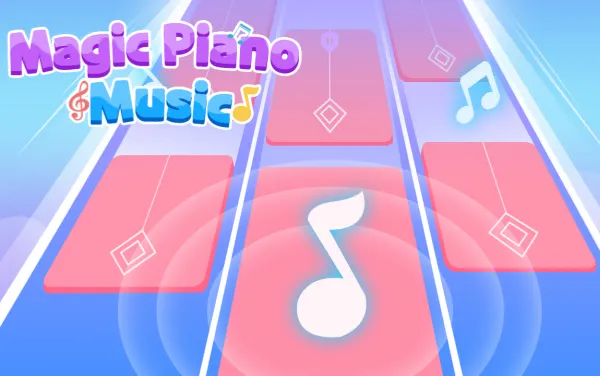
Pick a Song You Know… Then Watch It Beat You
Ever picked a song you swear you know by heart—only to get completely exposed by it seconds later?
That’s exactly the kind of emotional rollercoaster you’ll experience in this rhythm-based piano game.
In this blog, we dive into why familiar songs suddenly feel impossible when you’re the one playing them, and why that makes the game so addictive.
You Think You Know The Song
In Magic Piano Music, the experience always begins with confidence.
You scroll through the music list and pick a song you’ve heard countless times before—maybe something you can even "sing without thinking." At this point, everything feels relaxed. You assume the hardest part is already solved because, after all, you know the song.
But the game quietly sets a trap here. Knowing the melody is not the same as playing it. The moment you start, that confidence starts to fade in a very subtle but noticeable way.
Press The Right Keys… Or Try To Keep Up
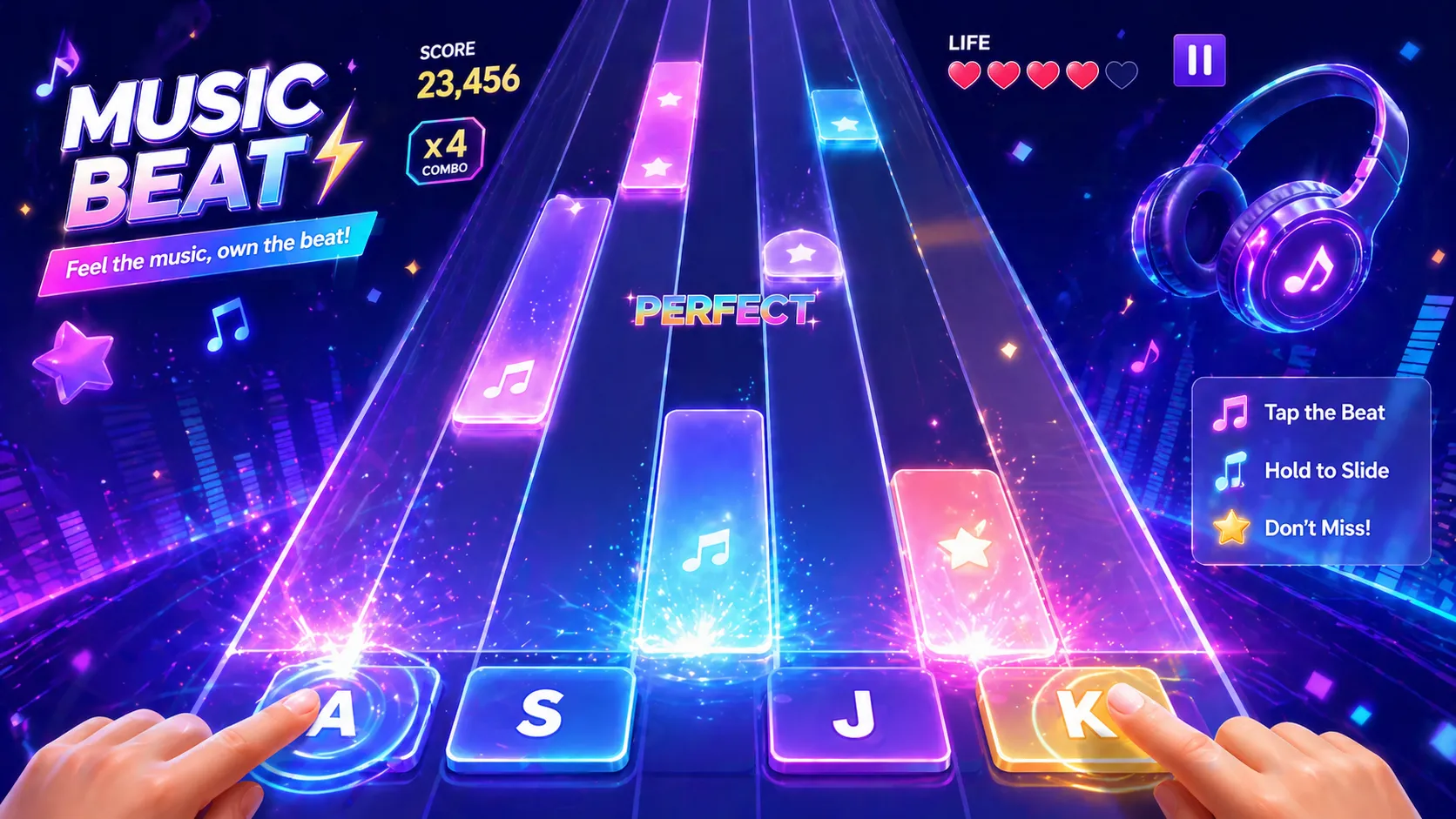
Once the game begins, each key on the keyboard represents a different musical direction. Some notes require quick taps, while others need you to hold slightly longer to match the rhythm.
At first, it feels manageable—almost like following a guided pattern.
However, as the notes start flowing continuously, your hands are forced to make decisions faster than your brain can explain them.
You stop "thinking about the song" and start reacting purely on instinct. That’s where things start to get interesting.
When The Chorus Hits, Everything Changes
The most dramatic shift happens when the song reaches its chorus or main drop. This is where Magic Piano Music stops being predictable. The tempo increases, note patterns become tighter, and your reaction window gets smaller without warning.
What used to feel like a familiar track suddenly feels like a completely different version of the same song.
Even if you recognize it instantly, your fingers may no longer agree. This contrast between recognition and execution is where most players start to struggle.
Three Mistakes, And It’s Over
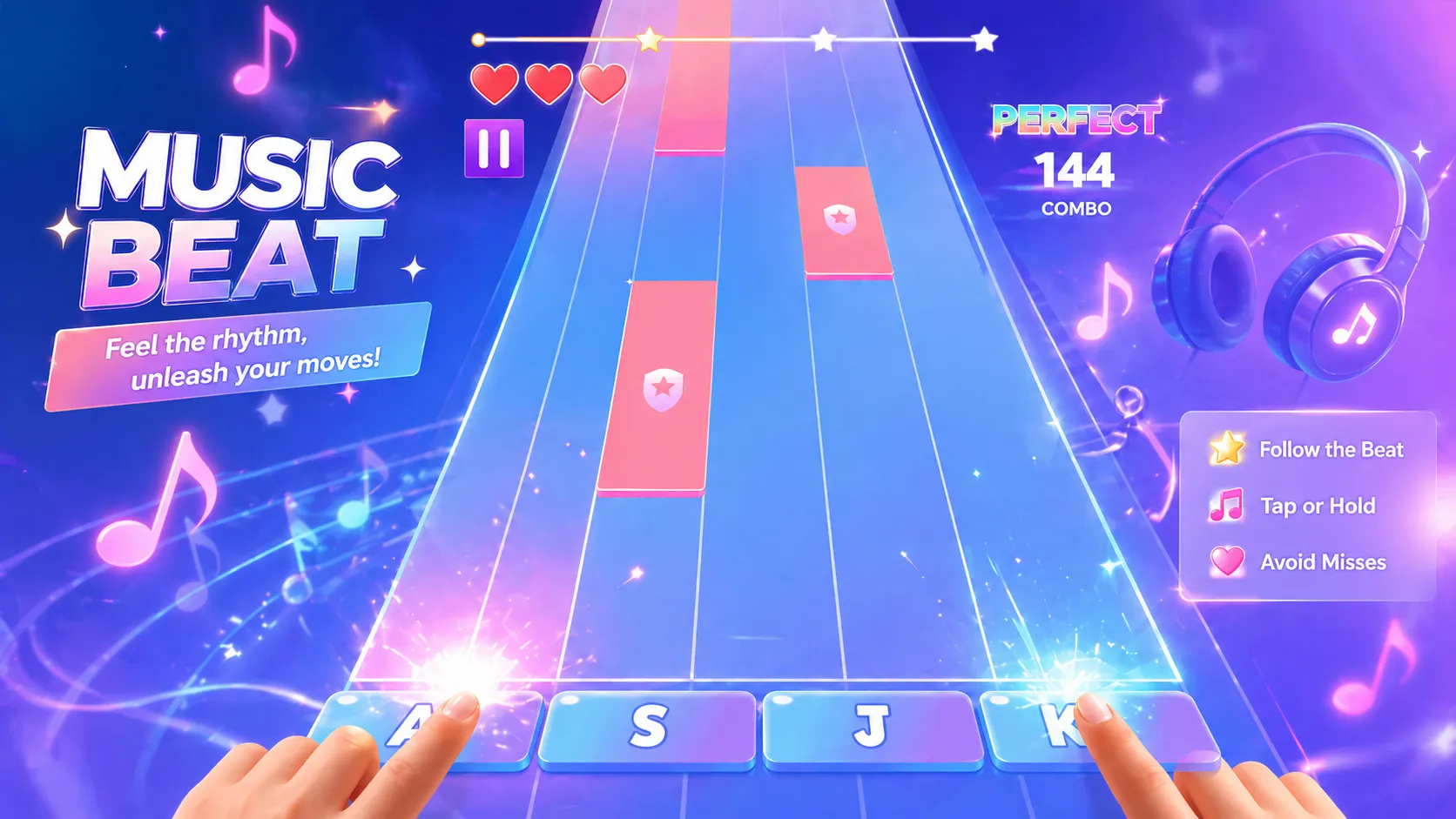
Each round gives you three chances to make mistakes, which sounds generous at first. But in practice, this limit adds a surprising amount of pressure. Every small error suddenly feels much more important, especially when the rhythm speeds up.
As the song progresses, those three chances disappear faster than expected. One rushed tap, one missed hold, and suddenly you’re already halfway to failure.
The system is simple, but it creates a constant sense of tension that keeps you alert from start to finish.
When Memory And Reflexes Don’t Agree
One of the funniest experiences in Magic Piano Music is the gap between your brain and your hands.
Your memory tells you exactly how the song goes—you can almost "hear" the next beat in your head. But your fingers are often a step behind, or worse, completely off-sync.
This disconnect creates a very unique feeling. You’re not confused about the song—you’re just unable to physically keep up with what you already understand. That’s where the real challenge lives: not in learning the music, but in executing it under pressure.
The Song You Chose Becomes The Enemy
Perhaps the most ironic moment in the game is realizing that the song you confidently selected at the beginning is now the biggest obstacle. The track you once enjoyed casually is now pushing you to your limits, forcing faster reactions and tighter focus.
It almost feels personal. The more familiar the song is, the more surprising it becomes when it starts breaking your rhythm.
In Magic Piano Music, comfort turns into pressure very quickly—and that shift is exactly what keeps players hooked.
The "One More Try" Effect
Even after failing, it’s hard to walk away. The game naturally creates a "just one more try" loop.
You convince yourself that the next attempt will be better because now you understand the pattern, the speed, and the mistakes you made.
But then the song starts again, and everything feels slightly faster than you remembered. That small gap between expectation and reality is what makes players retry again and again without realizing how much time has passed.
Conclusion
At its core, Magic Piano Music is not just about tapping keys in rhythm.
It’s about turning familiar music into something unpredictable and interactive. It makes you experience songs in a completely different way—not as a listener, but as someone trying to survive inside the music itself.
And sometimes, the songs you know best are exactly the ones that challenge you the most.
April 29,2026