

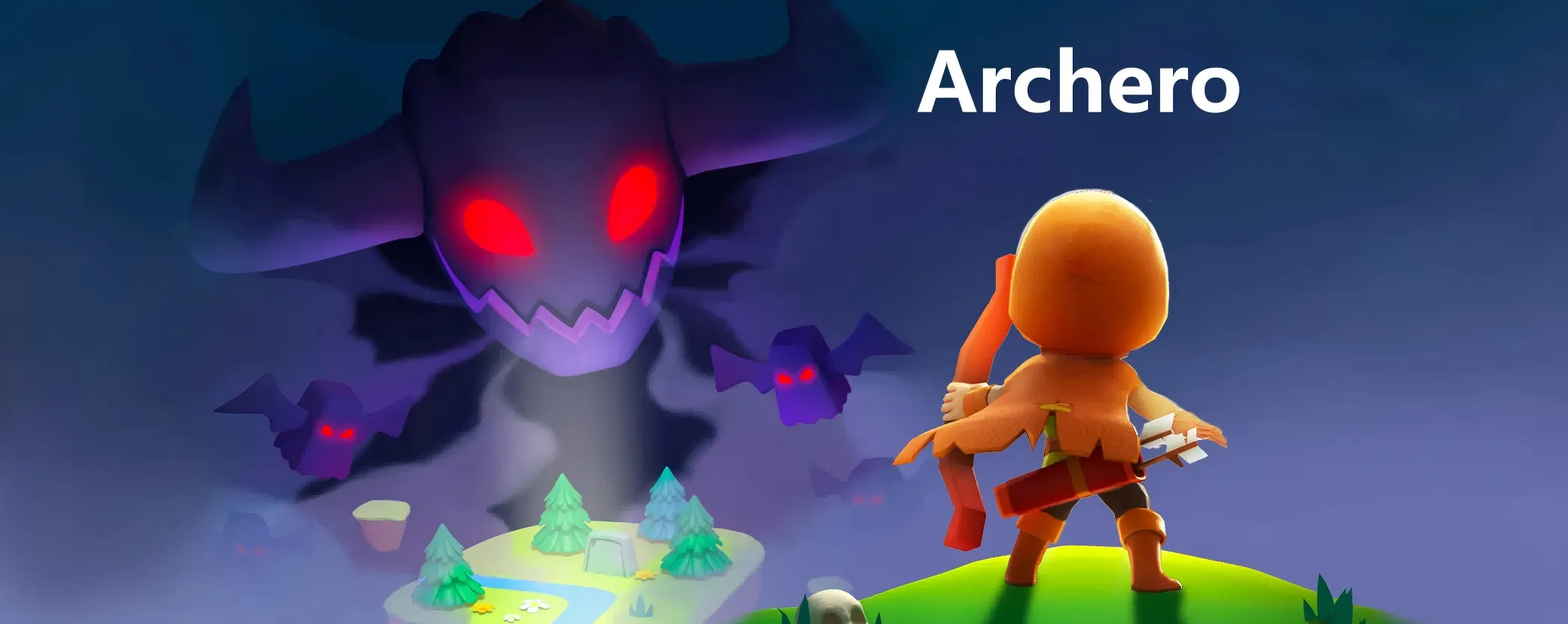
From Easy Dodging to No Escape: How Archero Slowly Breaks You
At first glance, Archero looks like a simple casual shooter. Your character attacks automatically, and all you need to do is move and dodge enemy attacks. Sounds easy, right? That’s exactly what I thought at the beginning.
But once you get deeper into the game, you realize something important. The real challenge isn’t about controls—it’s about how the game gradually pushes you from confidence into complete panic.
At the Beginning: Everything Feels Under Control
The early game is surprisingly forgiving.
You’re facing a small number of basic enemies with simple attack patterns. Most of their shots are aimed directly at your current position, so as long as you keep moving, it’s easy to dodge.
At that point, I even felt a bit overconfident. As long as I moved well, I barely got hit. Attacking while dodging felt smooth and natural.
You start to think:
“This game isn’t that hard.”
Mid Game: Pressure Starts to Build
But that sense of ease doesn’t last.
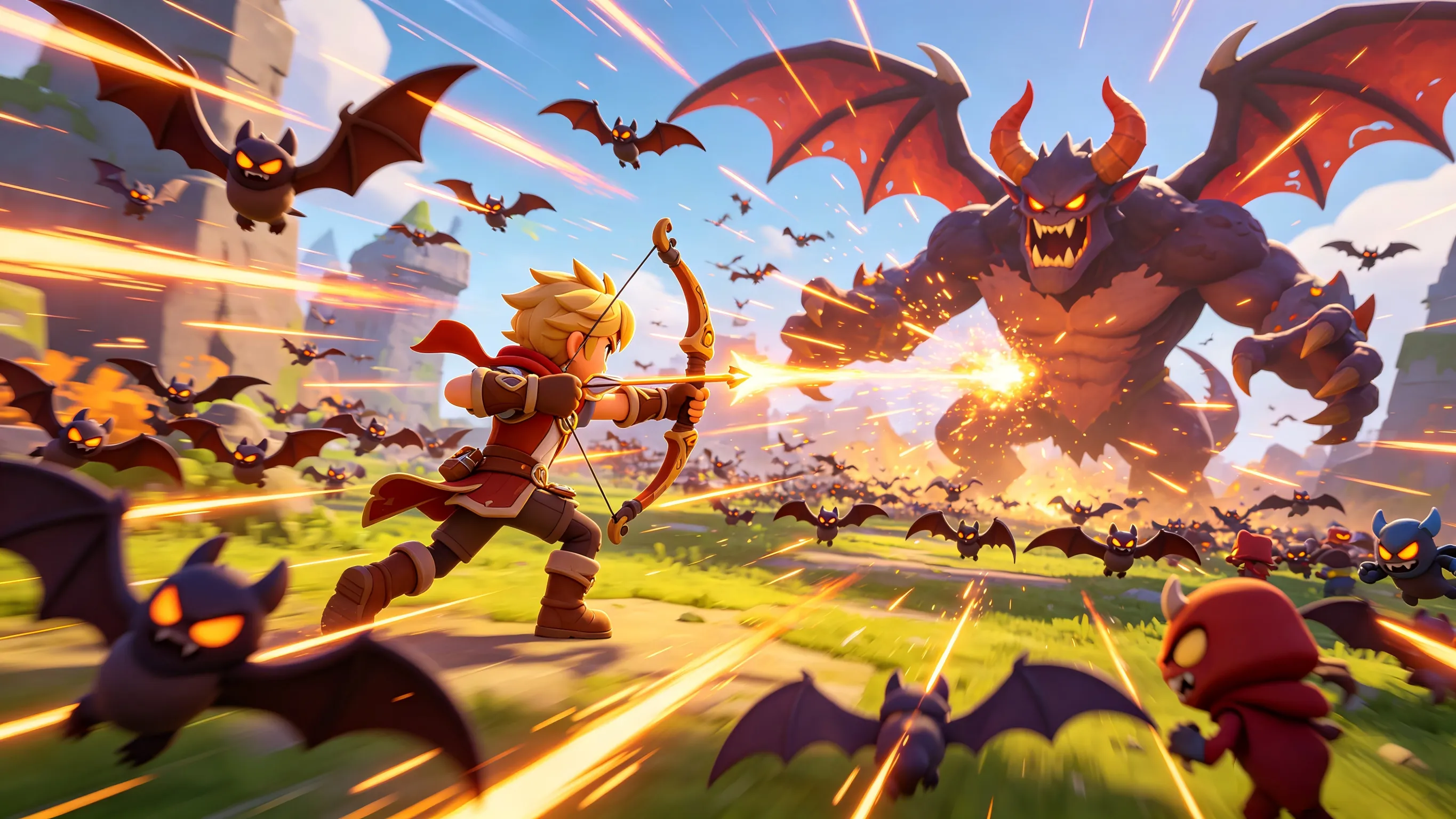
As you progress, things begin to change. More enemies appear. Their attack speed increases. Some of them start firing multiple projectiles at once. This is when you first feel the pressure.
Dodging a single attack is no longer enough. Now you have to deal with overlapping trajectories, which means you need to predict where attacks will land before they even happen.
More importantly, your safe space starts to shrink. With one enemy, you can move freely. With three or four attacking at the same time, you suddenly realize there’s less and less room to survive.
You can still dodge—but it’s no longer effortless.
Obstacles: They Help You, but They Also Hold You Back
As the game moves forward, walls and obstacles become more important.
They can block enemy attacks and give you brief moments of safety. But that safety comes at a cost. When you hide behind a wall, your own arrows are blocked too.
So you’re constantly making a trade-off:
Do you stay safe, or do you step out and deal damage?
At this point, the game is no longer just about dodging. It becomes a series of decisions. You start to realize:
Every position you take is a balance between risk and reward.
Late Game: From “I Can Dodge” to “There’s Nowhere to Go”
The real turning point comes when you think you’ve adapted.
As enemy numbers keep increasing and attack patterns grow more intense, you reach a moment where everything changes: You know where to move—but it’s already too late.
Projectiles begin to overlap and fill the screen. Safe zones shrink to almost nothing. You try to reposition, but every direction seems dangerous. Failure can happen in a split second.
It’s not that you lack skill. It’s not that you made a bad decision. It’s that the game no longer gives you room to recover.
And that’s when you truly understand Archero’s difficulty. It doesn’t suddenly become hard—it gradually pushes you to your limits.
Health and Choices: The Hidden Source of Pressure
Beyond combat, there’s another key system that adds tension:** your health doesn’t reset often**. Every hit you take carries over into the next stages.
You might lose half your health in an early level and be forced to continue with that disadvantage. Even if you play perfectly afterward, you’re always one mistake away from failure. Then there’s the skill system.
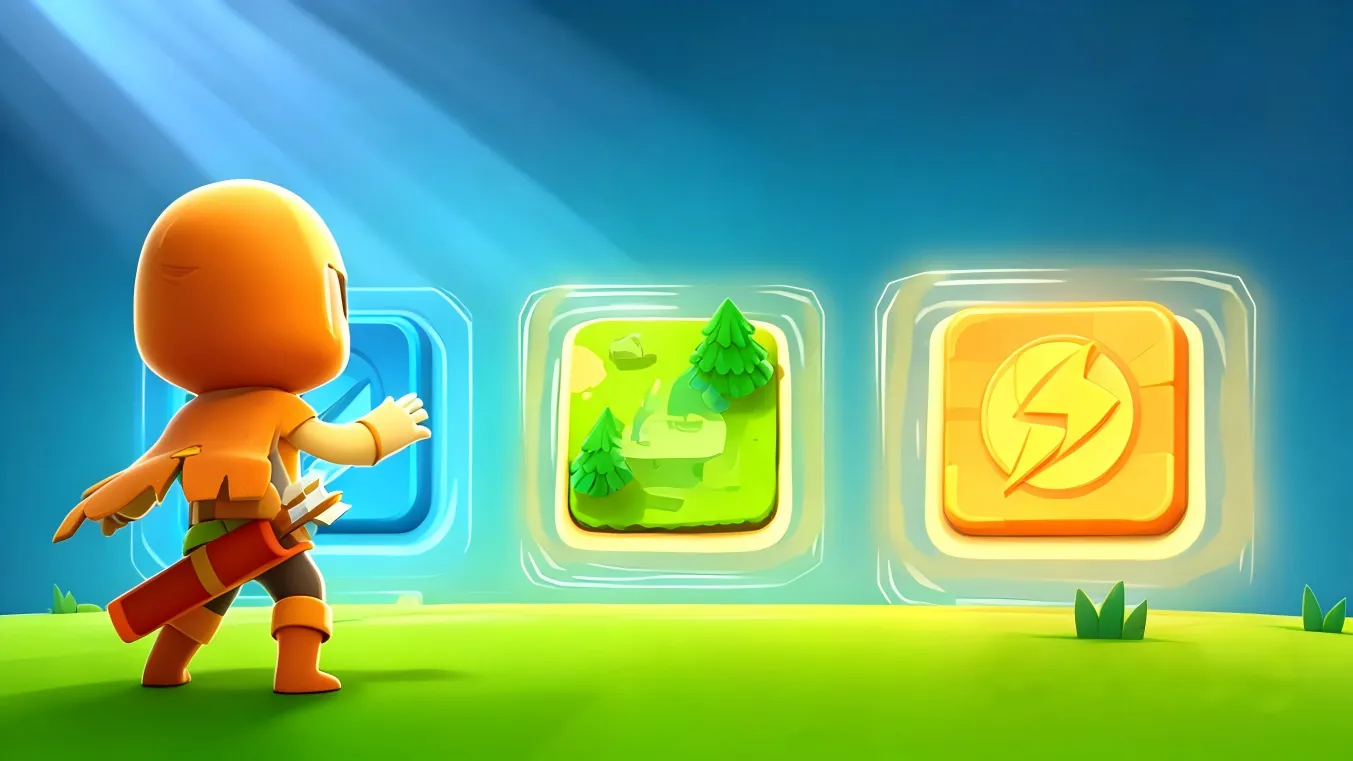
After certain stages, you get to choose one of three random upgrades. But you won’t always get what you need.
This creates a very different feeling.
You’re not resetting each level—you’re surviving a continuous run under increasing pressure.
The Most Addictive Moment: “I Was So Close”
This leads to one of Archero’s most powerful hooks.
You always feel like:
“I could’ve made it that time.”
Maybe you missed one dodge. Maybe you needed a better skill. Or maybe it was just a split-second mistake.
Then you start another run, not because it’s easy—but because you can’t let it go.
Final Thoughts: It’s Not Just Hard—It’s Designed to Push You
Looking back, Archero’s design is incredibly deliberate.
It doesn’t overwhelm you right away. Instead, it builds your confidence first, then slowly adds complexity, reduces your space, and increases the consequences of every mistake.
From “I can dodge,” to “I’m trying to dodge,” to “I can’t dodge anymore,” that progression is the true core of the game.
So if it feels easy at the beginning, that’s normal.
But once you start feeling the pressure, thinking about positioning, and replaying runs in your head after failing—
you’re exactly where the game wants you to be.
April 21,2026